

Anorexia Nervosa And Bulimia Quizlet

Eating disorders are life-threatening atmospheric condition that are challenging to address; nonetheless, the primary care setting provides an important opportunity for disquisitional medical and psychosocial intervention. The recently published Diagnostic and Statistical Manual of Mental Disorders, 5th ed., includes updated diagnostic criteria for anorexia nervosa (e.g., elimination of amenorrhea as a diagnostic criterion) and for bulimia nervosa (due east.one thousand., criterion for frequency of rampage episodes decreased to an average of once per week). In add-on to the office of ecology triggers and societal expectations of trunk size and shape, research has suggested that genes and discrete biochemical signals contribute to the development of eating disorders. Anorexia nervosa and bulimia nervosa occur most often in adolescent females and are ofttimes accompanied by depression and other comorbid psychiatric disorders. For depression-weight patients with anorexia nervosa, virtually all physiologic systems are afflicted, ranging from hypotension and osteopenia to life-threatening arrhythmias, often requiring emergent assessment and hospitalization for metabolic stabilization. In patients with frequent purging or laxative corruption, the presence of electrolyte abnormalities requires prompt intervention. Family-based treatment is helpful for adolescents with anorexia nervosa, whereas brusque-term psychotherapy, such equally cognitive behavior therapy, is effective for most patients with bulimia nervosa. The use of psychotropic medications is limited for anorexia nervosa, whereas handling studies have shown a benefit of antidepressant medications for patients with bulimia nervosa. Handling is almost effective when information technology includes a multidisciplinary, squad-based approach.
Eating disorders take traditionally been classified into two well-established categories. They are anorexia nervosa and bulimia nervosa.1 Additionally, many patients have been classified as having the residual category of eating disorder not otherwise specified.2 Revisions in the recently published Diagnostic and Statistical Manual of Mental Disorders, fifth ed., (DSM-5) may facilitate more specific eating disorder diagnoses.iii,4 The DSM-5 includes a diagnostic category for rampage-eating disorder, which is characterized by a loss of control and the feelings of guilt, shame, and embarrassment. The disorder is not associated with self-induced airsickness or other compensatory behaviors; hence, patients are typically overweight or obese. Other feeding and eating disorders in the DSM-5 include pica, rumination disorder, and avoidant/restrictive food intake disorder.3 This article focuses on anorexia nervosa and bulimia nervosa.
Definition
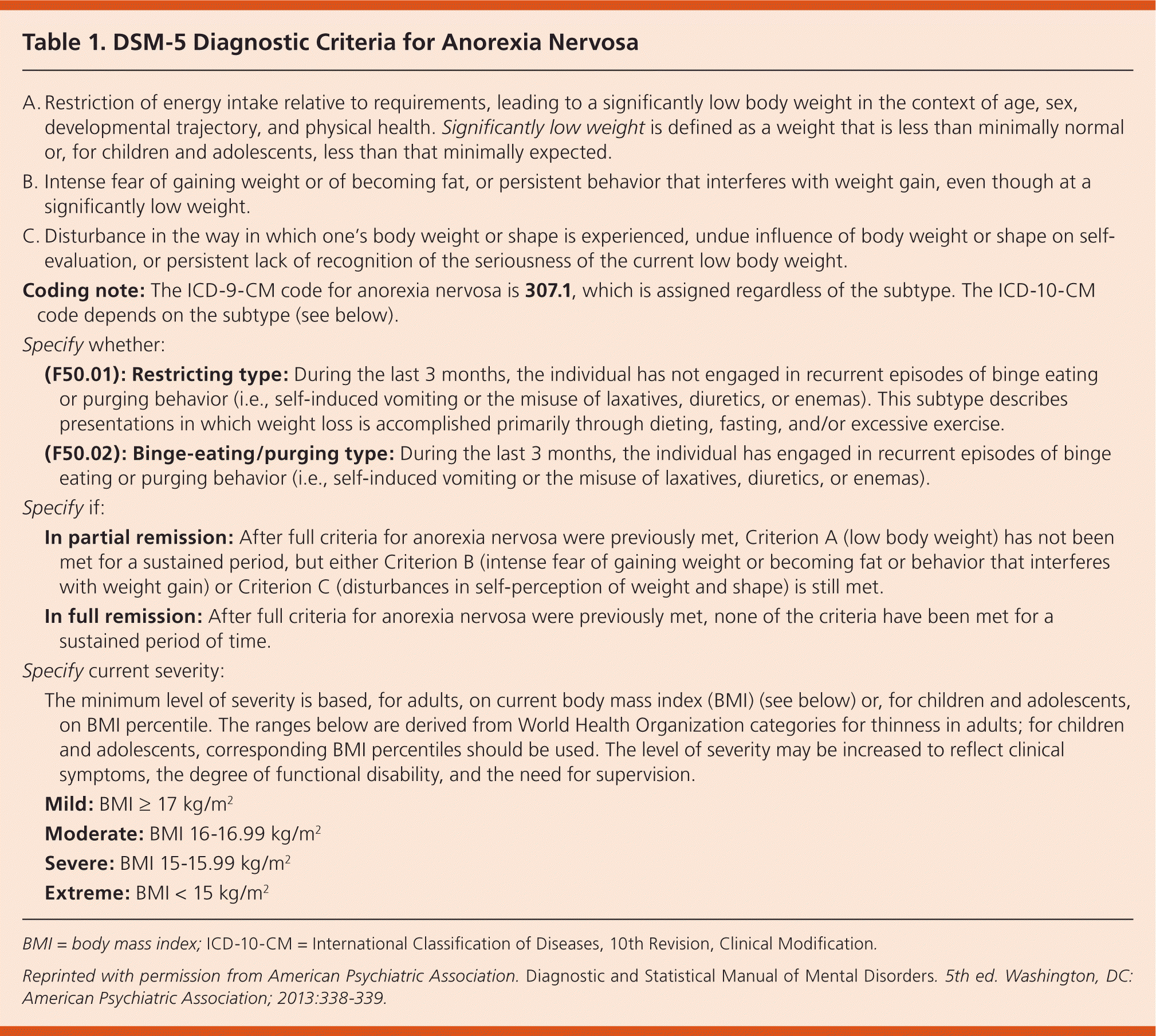
The DSM-5 diagnostic criteria for anorexia nervosa (Table i 3 ) are similar to the previous DSM-4 criteria with respect to behavioral and psychological characteristics involving brake of food intake resulting in low torso weight, intense fear of gaining weight or becoming fat, and disturbance of trunk image.1,3 Notably, the DSM-5 criteria practise non refer to a specific degree of weight loss required for the diagnosis, but instead provide guidelines for specifying the severity of weight loss. As in the DSM-IV, the new criteria specify two diagnostic types of anorexia nervosa (restricting type and rampage eating/purging type). In a significant revision to previous criteria, diagnosis of anorexia nervosa no longer requires the presence of amenorrhea.
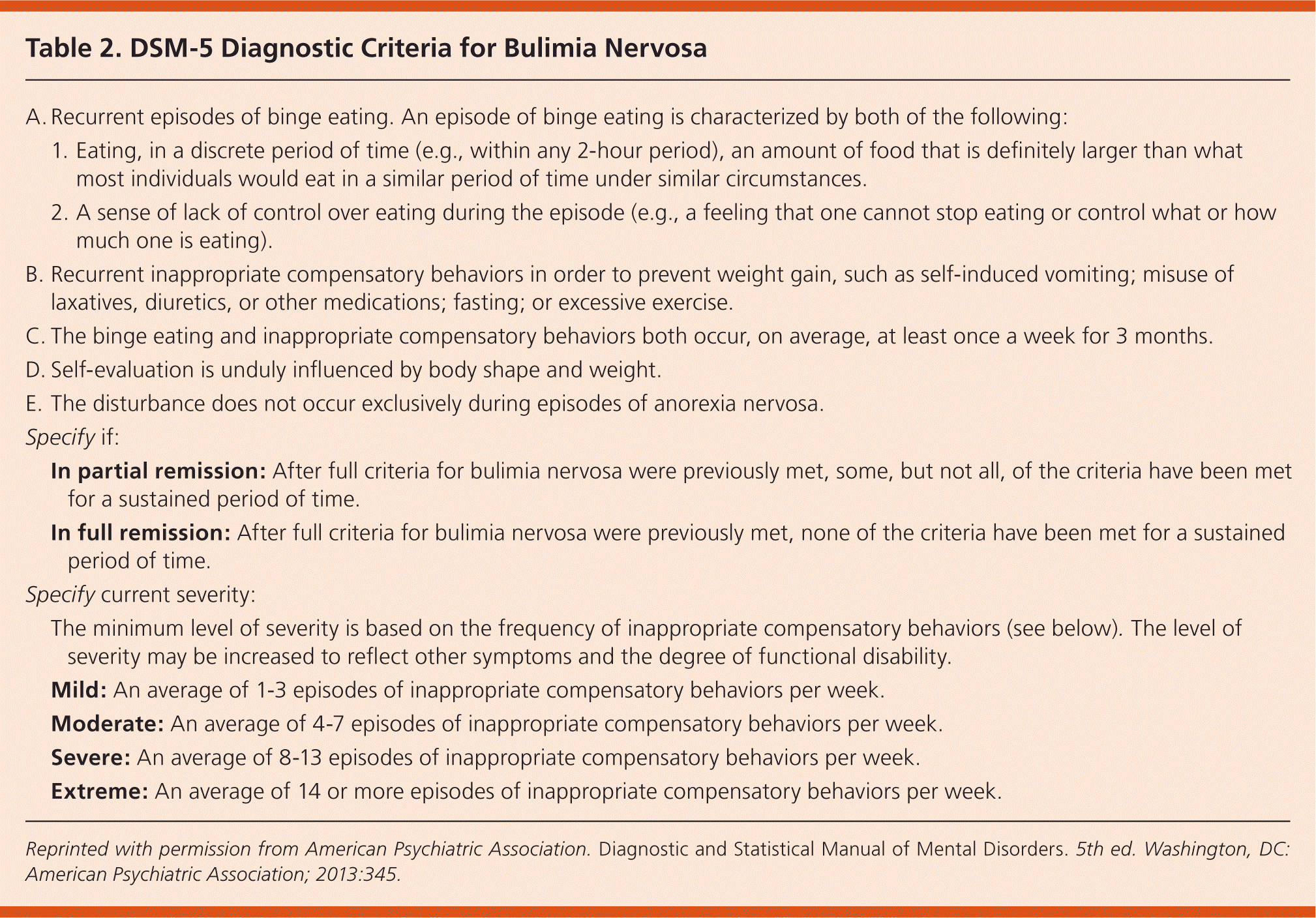
Bulimia nervosa involves the uncontrolled eating of an abnormally large corporeality of food in a short period, followed past compensatory behaviors, such equally self-induced vomiting, laxative abuse, or excessive exercise. The main update in the DSM-5 criteria for bulimia nervosa (Table 2 iii ) is a decrease in the average frequency of bingeing and purging from twice to once a week.iv
Prevalence and Etiology
Bulimia nervosa affects 4 to six out of 200 females in the United states. Anorexia nervosa is much less common, with a lifetime prevalence of one out of 200 females in the United States. Approximately 95% of persons with an eating disorder are 12 to 25 years of historic period. Although 90% of patients with an eating disorder are female person, the incidence of diagnosed eating disorders in males appears to exist increasing.v
The etiology of eating disorders is unknown and probably multifactorial. Environmental influences include societal idealizations about weight and body shape. Parenting style has been discounted equally a main cause of eating disorders. However, parenting style, household stress, and parental discord may contribute to anxiety and personality traits that are chance factors for an eating disorder. An emphasis on success and external rewards may pb to overly high expectations. Children may then try to be successful with something they tin control: regulating what they swallow and how they await. Sexual assault or corruption has not been associated with anorexia nervosa simply may be a risk factor for bulimia nervosa.vi
There is increasing evidence of biologic take a chance factors for eating disorders. Twin studies and other research propose a genetic link.seven Eating disorders accept been associated with abnormal neurotransmitter systems involving serotonin and dopamine.8,9 The function of hormones such as ghrelin, leptin, and oxytocin has also been investigated.10
Clinical Presentation
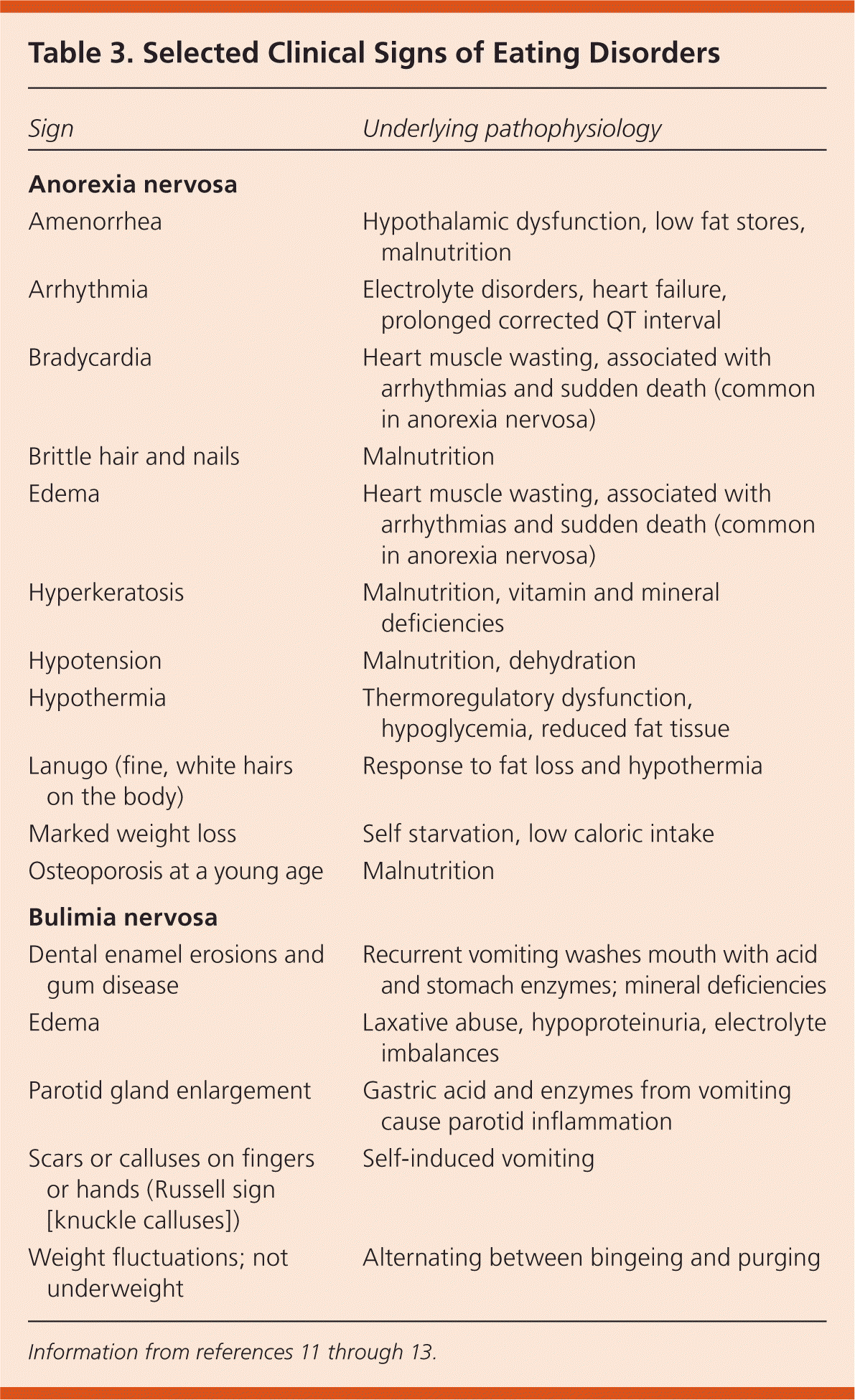
Table 3 includes clinical signs of eating disorders.11–13 Patients with eating disorders may oftentimes annotate about being "fat" or not liking their trunk shape. Weight loss with anorexia nervosa may go unnoticed for some time, particularly when patients wear amorphous wearing apparel or extra layers. Patients with anorexia nervosa commonly restrict their diet to vegetables, fruit, and diet products, and often skip meals birthday. They develop mealtime rituals, such as cutting food into tiny pieces, patting liquid off with napkins, or picking food autonomously. Although anorexia nervosa has been associated with some cognitive deficits as demonstrated on neuropsychological tests, many patients maintain good cognitive function and exact fluency even when malnourished.xiv
Patients with eating disorders often engage in excessive physical activity despite bad weather condition, illness, or injury. A study constitute that approximately one-third of patients hospitalized for anorexia nervosa reported excessive (i.e., obligatory, obsessive, or driven) practice during the 3 months before admission.fifteen
Patients with bulimia nervosa may conform complex schedules to adapt episodes of binge eating and purging, frequently accompanied past frequent trips to the bath. In addition to excessive exercise, other methods of weight control include abuse of laxatives or diuretics. Frequent self-induced vomiting can contribute to parotitis, stained teeth or enamel erosions, and manus calluses.
As cachexia progresses, patients with anorexia nervosa lose forcefulness and endurance, move more than slowly, and demonstrate decreased performance in sports. Overuse injuries and stress fractures tin can occur. Bradycardia, orthostatic hypotension, and palpitations may progress to potentially fatal arrhythmias. Epigastric pain and a bloating sensation are mutual. Laxative corruption causes hemorrhoids and rectal prolapse. Severe hypoglycemia may lead to seizures. Wounds heal poorly. Endocrine symptoms in anorexia nervosa include hypothermia (feeling cold), delayed onset of menses or secondary amenorrhea, and osteopenia progressing to osteoporosis.11,12
More than half of patients with eating disorders meet criteria for a current or past episode of major depression.16 Anorexia nervosa is associated with an increased adventure of suicide, with the suicide standardized mortality ratio estimated to be as high every bit 31 in one meta-analysis.17 Other associated psychiatric disorders include obsessive-compulsive disorder, obsessive-compulsive personality disorder, social phobia, anxiety disorders, substance use disorders, and personality disorders. Psychological symptoms include heightened emotional arousal, reduced tolerance of stress, emotional dysregulation, social withdrawal, and self-disquisitional perfectionistic traits.3
Screening for Eating Disorders
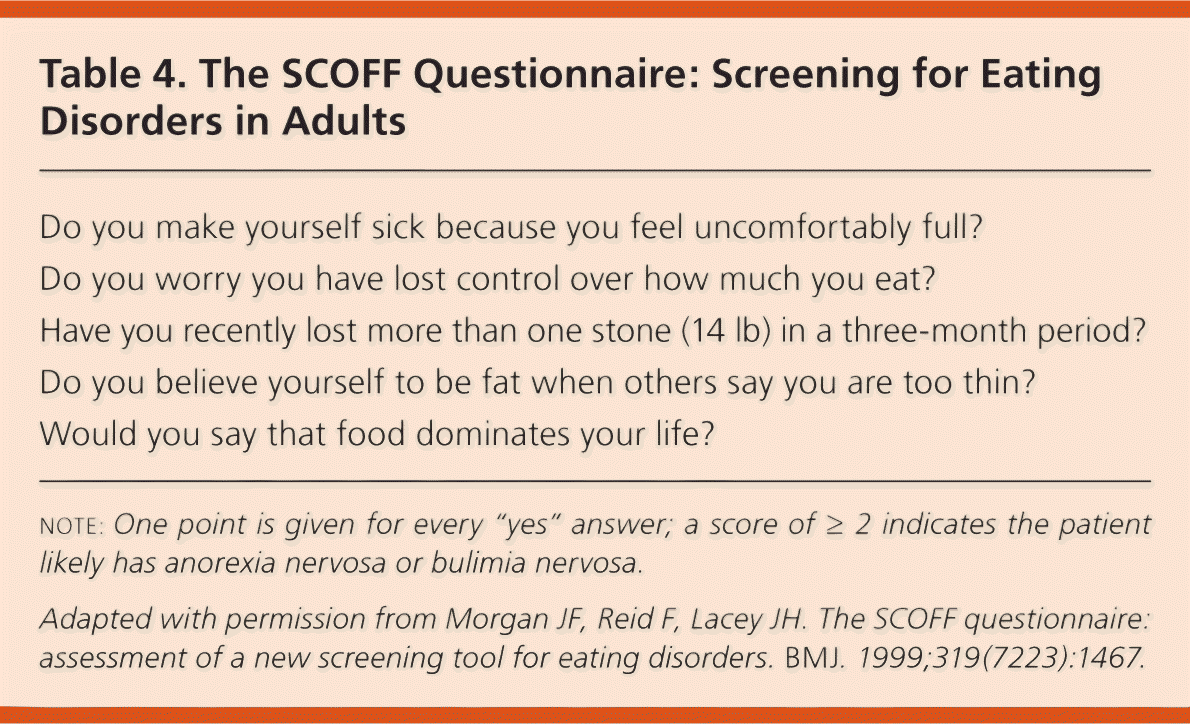
Annual health supervision examinations and preparticipation sports physicals are ideal screening opportunities. In addition to weight, height, and body mass alphabetize measurements, a screening tool such as the Scoff questionnaire (Table iv xviii ) can be used.eleven,12,18 The Scoff questionnaire has been validated only in adults just suggests an arroyo that can also be used with children.12
Adapted with permission from Morgan JF, Reid F, Lacey JH. The SCOFF questionnaire: assessment of a new screening tool for eating disorders. BMJ . 1999;319(7223):1467.
">
Initial Evaluation
The first priority in the evaluation of patients with eating disorders is to identify emergency medical conditions that crave hospitalization and stabilization. Before the patient is weighed, a urine sample should be obtained to assess specific gravity for hydration status, pH level, ketone level, and signs of kidney damage. Weight, acme, trunk mass index, and trunk temperature should be recorded. Because patients may vesture actress clothes or hide heavy items to exaggerate their weight, they should be weighed wearing only underwear and a infirmary gown. An attendant or parent may accept to be present while they change. Clinicians may consider having patients face up away from the scale so that they do non know their weight. Blood pressure should be recorded with orthostatic vital signs.
Electrocardiography and laboratory studies such as urinalysis with specific gravity, complete blood count, consummate metabolic panel, amylase and lipase measurement, phosphorous and magnesium measurement, and thyroid part tests (thyroid-stimulating hormone, thyroxine, free triiodothyronine) should be performed promptly.11,12 Less urgent testing, such equally bone density testing, can exist deferred.
Handling
Family physicians can make full a central role in the monitoring and treatment of patients with eating disorders. A psychotherapist or psychiatrist usually is involved. Eating disorder specialists, often with backgrounds in psychiatry or adolescent medicine, are ideally involved but may non exist bachelor in some locations. A dietitian tin can assist select nutritious and calorie-rich foods. For youth, information technology is disquisitional to involve their schools. Well-nigh states require formal 504 plans that spell out special accommodations, such as snack breaks in course or allowances for missed school, to permit equal educational opportunities for students with medical disabilities.
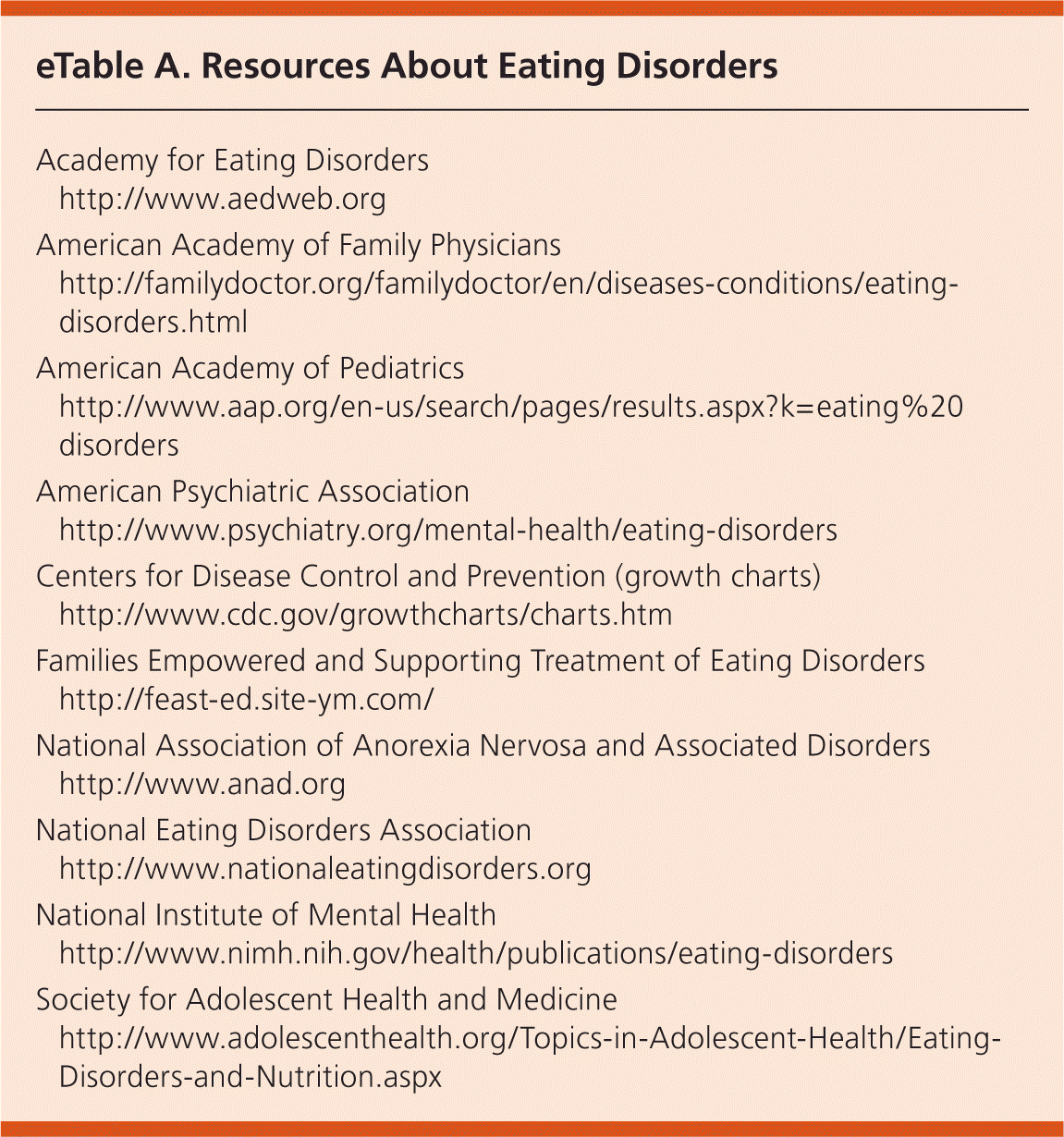
Handling success may be dependent on developing a therapeutic alliance with the patient, involvement of the patient'due south family, and shut collaboration within the treatment team. Additional online resources for the treatment team, patient, and family are listed in eTable A.
INPATIENT
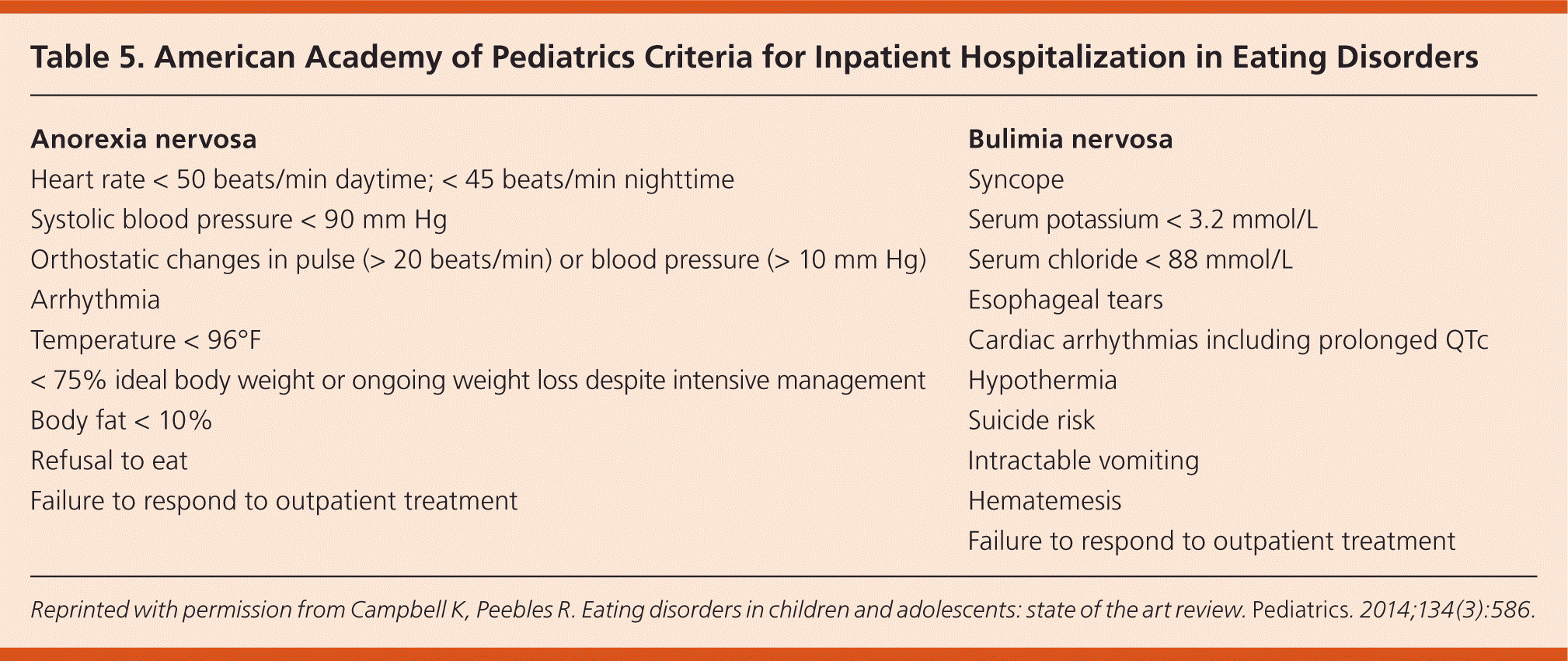
Handling should be individualized based on symptom severity, course of illness, psychiatric comorbidity, availability of psychosocial/familial support, patient motivation for undergoing treatment, regional availability of specialized treatment programs, and medical stability. Indications for hospitalization include significant electrolyte abnormalities, arrhythmias or astringent bradycardia, rapid persistent weight loss in spite of outpatient therapy, and serious comorbid medical or psychiatric conditions, including suicidal ideation.11,12 Table 5 includes the American Academy of Pediatrics criteria for inpatient treatment.19 After the patient is stabilized at a local hospital, his or her condition or comorbidities may necessitate transfer to a facility specializing in eating disorder inpatient care.
The focus of initial treatment for patients who have anorexia nervosa with cachexia is restoring nutritional health, with weight gain as a surrogate marker. Feeding tubes may be needed in astringent cases when the patient has a high resistance to eating. Refeeding syndrome can occur in a malnourished individual when a rapid increase in food intake results in dramatic fluid and electrolyte shifts, and is potentially fatal. Thus, hospitalization should be considered for initial handling of whatever seriously malnourished patient to allow for daily monitoring of key markers such as weight, heart rate, temperature, hydration, and serum phosphorus level.20
OUTPATIENT
Nutritional Intervention and Weight Restoration. Patients with anorexia may eat only 500 kcal a solar day, whereas the boilerplate daily caloric requirement for a sedentary adolescent is 1,800 kcal for females and ii,200 kcal for males.21 A reasonable initial target for weight restoration is 90% of the average weight expected for the patient'south age, pinnacle, and sex.12,22 Growth charts are bachelor from the Centers for Affliction Control and Prevention at http://world wide web.cdc.gov/growthcharts/charts.htm. Initiation or resumption of menses is an of import marker of biologic health in females. In 1 report, 86% of females with anorexia nervosa who accomplished the 90% trunk mass index goal resumed flow inside 6 months.22 The patient's pre–eating disorder weight history may help in determining a target body mass index. For growing adolescents, the goal weight may need to exist adjusted every three to six months. Weight gain may not begin until caloric intake significantly exceeds sedentary requirements. Strenuous physical activity and sports should exist restricted.
Nutritional guidance focuses on healthy nutrient intake and regaining the free energy needed to resume activities. Although calorie counting is important, it mostly should non be discussed with the patient. Daily menus should include three full meals and a structured snack schedule that is monitored by parents or the school nurse. A multivitamin plus vitamin D and calcium supplements are recommended.
Psychotherapy. Psychotherapy is the foundation for successful treatment of an eating disorder. Family unit-based treatment (the Maudsley method) is one of the more promising approaches for adolescents with anorexia nervosa.23–25 Goals of psychotherapy include reduction of distorted body prototype and dysfunctional eating habits, render to social appointment, and resumption of full concrete activities.26 Family members need back up and assist learning how to care for the patient. Clinical trials have shown significant improvement in bulimia nervosa with cognitive beliefs therapy and interpersonal psychotherapy.27 Grouping therapy is used in many eating disorder treatment programs. Alternate adjunctive therapies such every bit equine therapy (based on the idea that caring for horses through grooming and other interactions is healing) may hold promise, although they are not evidence-based therapies.28 Mindfulness practices such as meditation and yoga benefit patients with anxiety and may provide low-energy concrete activity.29
Medications. Studies have shown only limited do good of medications in the treatment of anorexia nervosa. Antidepressants, including selective serotonin reuptake inhibitors (SSRIs), may help mitigate symptoms of low and suicidal ideation in patients with anorexia nervosa. However, they have non proved beneficial in facilitating weight restoration or preventing relapse.30,31 Although case reports and recent preliminary studies have suggested a role for atypical antipsychotics such every bit olanzapine (Zyprexa), controlled studies have not demonstrated significant benefit in patients with anorexia nervosa.eleven,32–35 Larger placebo-controlled studies will be needed to evaluate this approach. If psychotropic medications are attempted, the patient should be closely monitored, perchance in an inpatient or residential setting, and supervised by a psychiatrist or eating disorder specialist.
In patients with bulimia nervosa, studies have suggested SSRIs may be beneficial in decreasing the frequency of binge eating and purging.35–37 Thus, the addition of an SSRI might be considered for patients who are not responding to an initial trial of psychotherapy and for patients with major low or another comorbid disorder responsive to antidepressant medications.
Prognosis
Although approximately one-half of patients with anorexia nervosa fully recover, about 30% attain simply partial recovery, and twenty% remain chronically ill.38 Anorexia nervosa has the highest bloodshed charge per unit of any mental health disorder, with an estimated all-crusade standardized bloodshed ratio of i.vii to v.9.39,40 The prognosis for bulimia nervosa is more favorable, with upwardly to eighty% of patients achieving remission with handling. However, the 20% relapse rate represents a significant clinical challenge, and the disorder is associated with an elevated all-cause standardized mortality ratio of 1.half-dozen to one.ix.39,forty
Data Sources: Literature searches on Ovid Medline were performed. Fundamental terms were anorexia nervosa, bulimia nervosa, eating disorder, etiology, diagnosis, signs and symptoms, and treatment. The search included meta-analyses, randomized controlled trials, clinical trials, and review manufactures. The search was express to human, English, and full text. Subsequent Ovid Medline searches were conducted looking for specific topics such every bit zinc and eating disorders. Boosted searches included the archives for the journals Pediatrics and American Family unit Physician, Agency for Healthcare Research and Quality evidence reports, the Cochrane database, the National Guideline Clearinghouse database, the U.Due south. Preventive Services Task Strength, the American Academy of Pediatrics, the American Psychiatric Clan, and the Society for Adolescent Wellness and Medicine. Search dates: November 18, 2013; December one, 2013; July 14, 2014; and October 22, 2014.

Anorexia Nervosa And Bulimia Quizlet,
Source: https://www.aafp.org/pubs/afp/issues/2015/0101/p46.html
Posted by: chamberlainsurse1937.blogspot.com
0 Response to "Anorexia Nervosa And Bulimia Quizlet"
Post a Comment